-
English (US)
Choose your country or region:
Europe
Asia - Australasia
Middle East - Africa

Chlorine (Cl2) is strong oxidizing agent and ideal disinfectant. Proper residual chlorine levels in drinking water ensure that water is safe for human consumption, but too much chlorine can have detrimental effects in pharmaceutical production, membrane treatment processes and other applications.
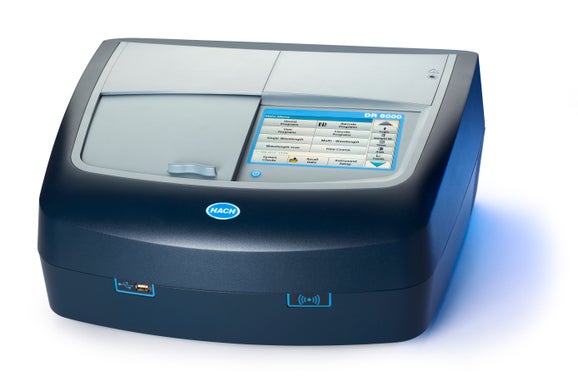
Proper measurement and monitoring of residual chlorine levels helps to mitigate these risks. Whether you're working in a laboratory or in the field, Hach provides a variety of chlorine analyzers, sensors, reagents and more that help offer simple and reliable measurements that you can trust.

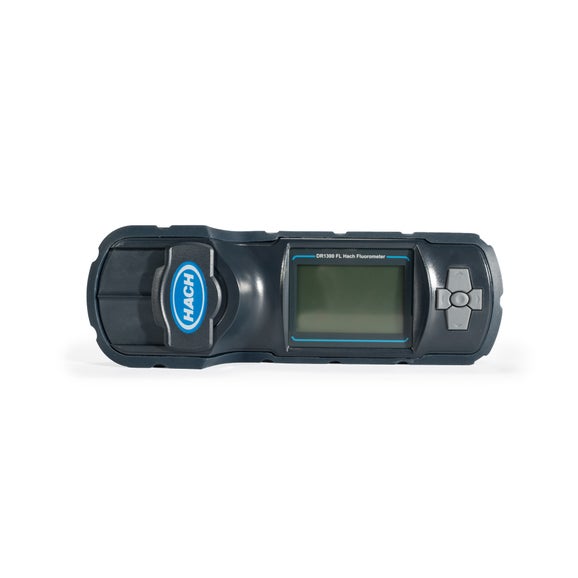
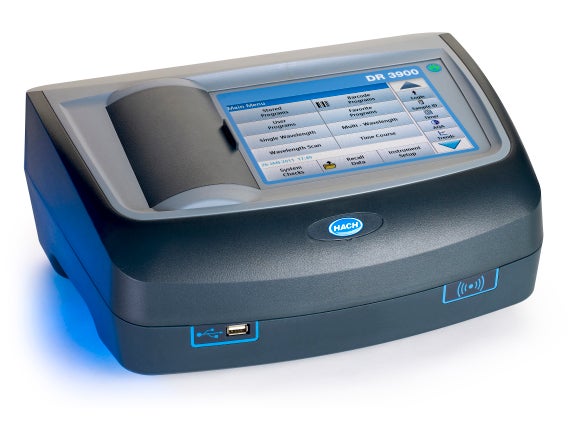
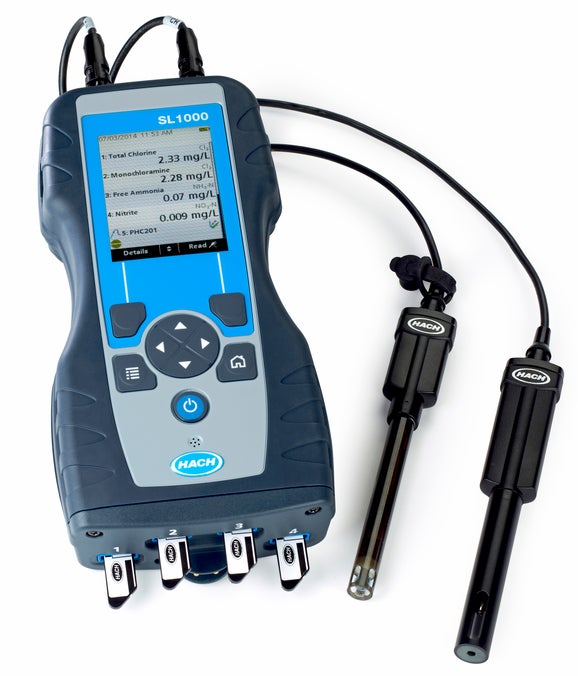
Both lightweight and durable, Hach portable chlorine instruments provide reliable, hassle-free, on-the-go measurement in even the most challenging conditions.

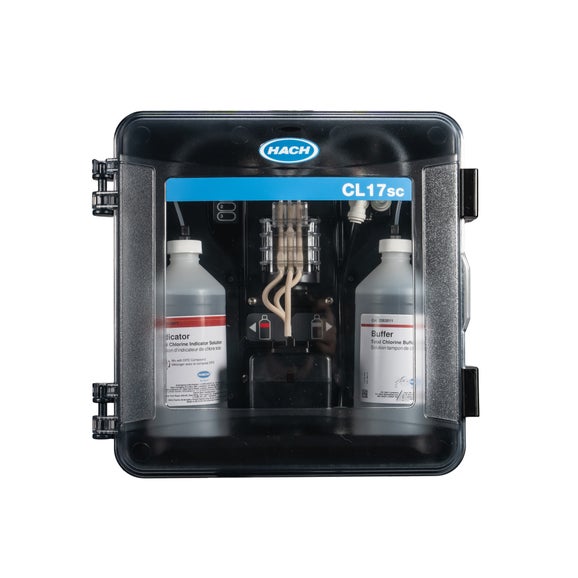
Whether you’re treating utility water, product water, or wastewater discharge, Hach’s online chlorine analyzers deliver accurate and reliable measurements of free or total residual chlorine. Also available in pre-engineered panel configurations.
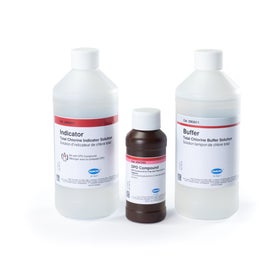
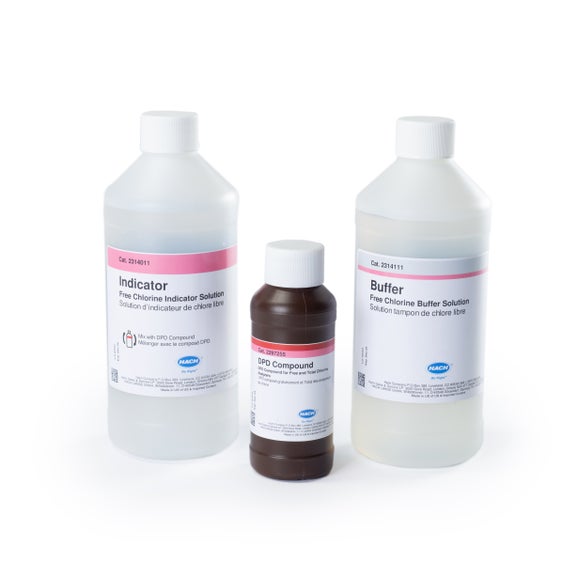
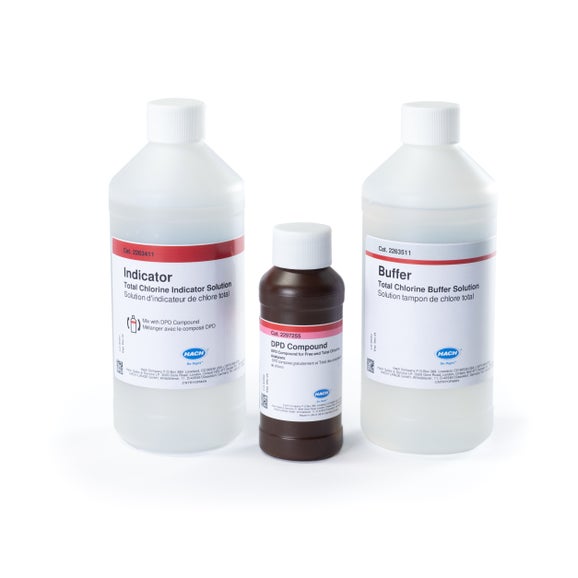
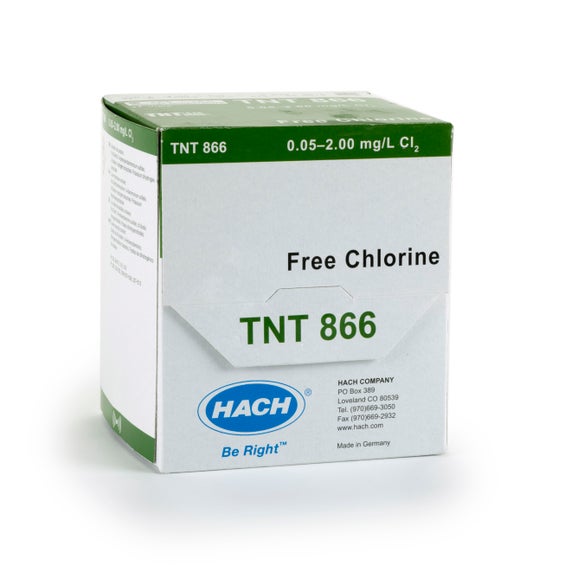
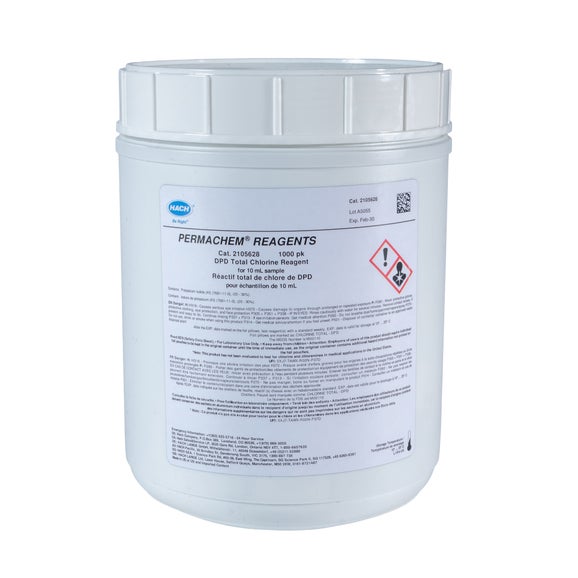
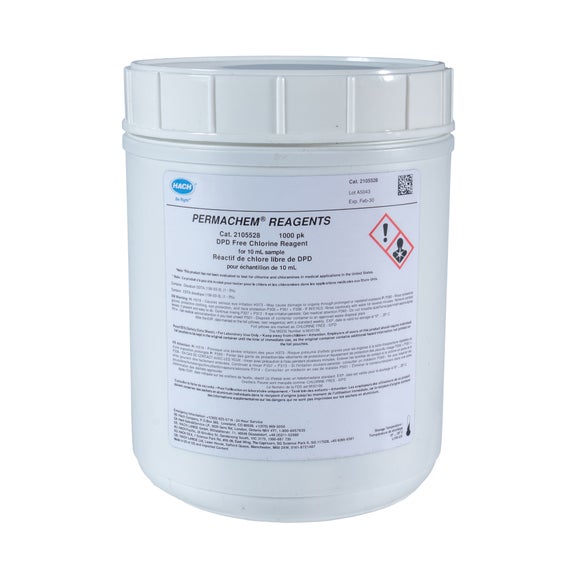
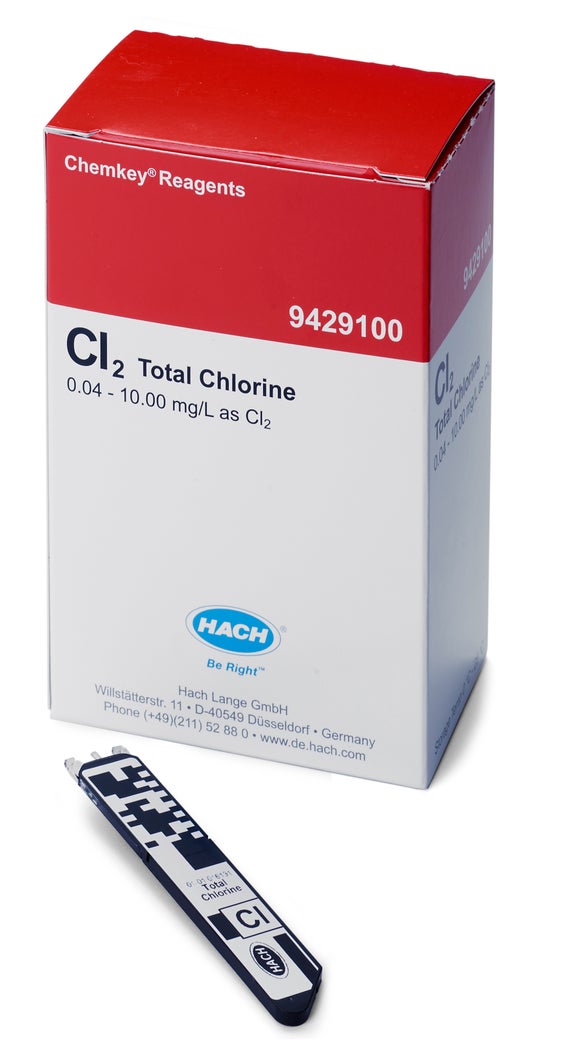
Whether you’re using the DPD, amperometric or iodometric method, we offer a wide range of reagents for easy and precise chlorine measurement.

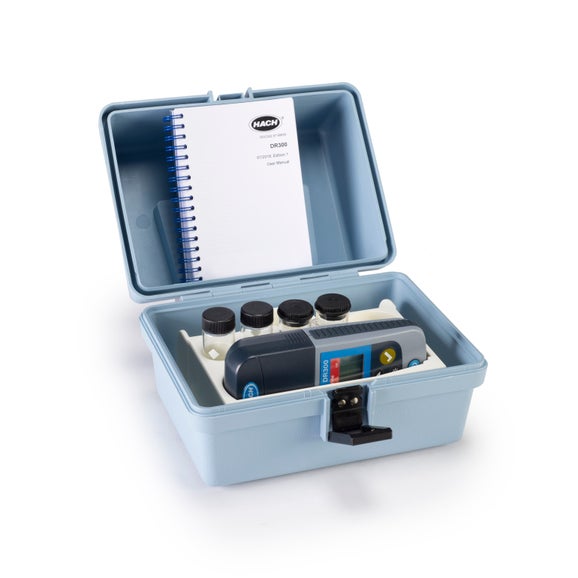
Get fast results for free or total chlorine testing with kits available for a variety of applications including drinking water and pool water.
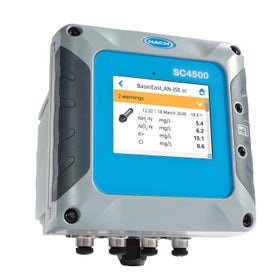
Highly adaptable to handle a variety of applications and parameters, Hach sensors and controllers ensure accurate and efficient chlorine measurement
When added to water, chlorine reacts to form free chlorine or chloramines (when ammonia is present), which:
Since chlorine can be detrimental, there are applications that require "dechlorination." Adsorption dechlorination uses activated carbon to remove chlorine compounds. Chemical dechlorination uses reducing agents such as sulfites, bisulfites or metabisulfites to destroy chlorine species.
During pre-oxidation, source water entering a plant is dosed with chlorine (pre-chlorination) to precipitate out minerals as a primary treatment step (besides disinfection) to help with suspended and dissolved matter removal before filtration. The water is then filtered to improve clarity and chlorinated again.
For chlorine to be effective, its concentration before and after filtration (as well as pH, water temperature, and contact time) must be monitored and controlled. Most treatment plants have a contact chamber (clear well) where chlorine is injected, mixed and allowed to remain in contact with the water for the required time dependent on the temperature, pH and type of microorganisms present in the water. The contact time provides a chlorine residual, intended to maintain water sanitized as it enters storage tanks and travels throughout the distribution system.
All chlorination before (pre-chlorination) and after filters (post-chlorination) is controlled at multiple points throughout the treatment process and in the distribution system. Additional booster chlorination of tap water in the network is usually conducted at pump/booster stations and must be thoroughly monitored and controlled.
It is essential to monitor chlorine levels in the distribution system to ensure that the proper level of chlorine residual is maintained to meet regulatory standards for disinfection, and to ensure that there is no excessive chlorine present.

Contact us for tech support, service, sales, or to get a quote.